Succession Planning Is a Team Sport
Over the years, I’ve worked with leaders who make hiring look almost effortless. It’s not luck, it’s intention. And often, it starts long before there’s a role to fill.
The Best Leaders Think Ahead
Ever noticed how some leaders are always quietly thinking a few steps ahead? Not just about growth plans or big targets, but about their people.
Who’s thriving? Who’s ready for more? What would happen if someone critical left… or if they themselves chose to?
It’s not coming from a place of fear or worry. It’s a mindset that says: I care about this team enough to make sure it’s set up for success, with or without me.
And they’re not just thinking about who might step up next. They’re also clear on their own trajectory.
They ask: What’s next for me? And how do I make sure the team is still set up to thrive when that time comes?
That kind of clarity isn’t self-serving, it’s one of the most generous things a leader can do. Because they're building their legacy through people.
Succession Planning Isn’t Just for the C-Suite
We often hear succession planning talked about like a formal HR process, something relevant for executives or business-critical roles.
But in reality, it’s necessary for all teams. And the best practices I’ve seen aren’t reactive. They’re embedded into how great leaders operate day-to-day.
They’re constantly assessing capability. Thinking about stretch. Having growth conversations. And that’s not limited to internal development, they’re also consistently networking externally, even when they’re not actively hiring.
They don’t treat recruitment as a moment in time. They treat it as a constant, and they encourage their teams to do the same.
Because when teams don’t think ahead, vacancies can create panic, rushed decisions, or missed opportunities. But when they do? Recruitment becomes strategic, not reactive.
It Starts with Everyday Conversations
If you’re at a networking event, how are you and your team talking about your roles and your organisation?
If you meet an industry peer, do you take a moment to genuinely get to know them?
Would they be a good fit for your team? Maybe not right now, but could they be, down the track?
Creating that space isn’t always easy. It’s a small industry. You don’t want to give people the wrong idea.
But when leaders are clear and transparent in how they talk about talent, and when their team shares the belief in long-term capability planning, it stops feeling like a threat and starts feeling like an investment in the future.
This Mindset Builds Teams & Brands
And it doesn’t just benefit the team. It also strengthens the leader’s personal brand and reputation in the market.
When leaders think this way, something powerful happens: They start shaping their own version of what their team stands for and why it's a great place to be.
They get clear on:
What makes their team attractive
What they stand for as a leader
What kind of talent they want to attract
Their personal brand becomes a drawcard.
Why It Makes Recruitment Easier
So when a vacancy comes up, they’re already ahead of the game.
They know what the role needs. They’ve got a read on the market. Sometimes, they even know exactly who they want to approach.
In fact, the leaders who take this approach are often the ones who find it easiest to attract talent.
Why?
They’ve already built credibility in the market
They’ve had meaningful conversations with potential talent long before there’s a role to offer
Their teams become their biggest advocates
I’ve had candidates tell me outright: “I wasn’t really looking, but I’d jump at the chance to work with this person.”
Because of a past conversation. A strong reputation. Or simply the feeling that this leader sees and grows their people.
So What Does This Look Like in Practice?
If you’re leading a team, succession planning might mean:
Knowing who your critical team members are, and what impact it would have if they moved on
Having regular, honest conversations about career development
Keeping a pulse on the external market, even if you’re not hiring right now
Being clear on your own path, so the team’s future isn’t left to chance
Succession planning isn’t just about being ready when someone leaves. It’s about making sure momentum continues, no matter what.
Whether someone in your team is stepping up, or you’re stepping out, it ensures your people aren’t left scrambling.
That continuity builds trust, performance, and confidence across the board.
And That’s the Real Shift
In a world where change is constant, the best leaders don’t wait for disruption.
When you look at succession planning as a team sport, your team doesn't just survive change, they're always ready to meet it head on.
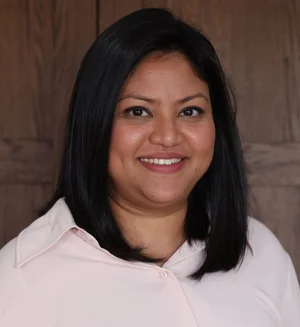
Hi, I’m Sharmia Bakar.
I help leaders across pharma, biotech, medtech and healthcare industries, hire well with impact and a focus on a positive hiring experience for everyone involved. With experience both in-house and the agency side, I know what works, what doesn’t, and how to get it right.
If we haven’t met before, I’d love to change that. Book a quick call, always happy to talk recruitment strategies that actually work.